
Services
Web Applications Built for How Your Business Actually Works
A website tells people about your business. A web application lets them do something inside it: book a room, apply for a job, track a delivery, manage an account. Echo Technology builds custom web applications: dashboards, workflows and real-time data, built to hold up under actual daily use rather than just look good in a demo.
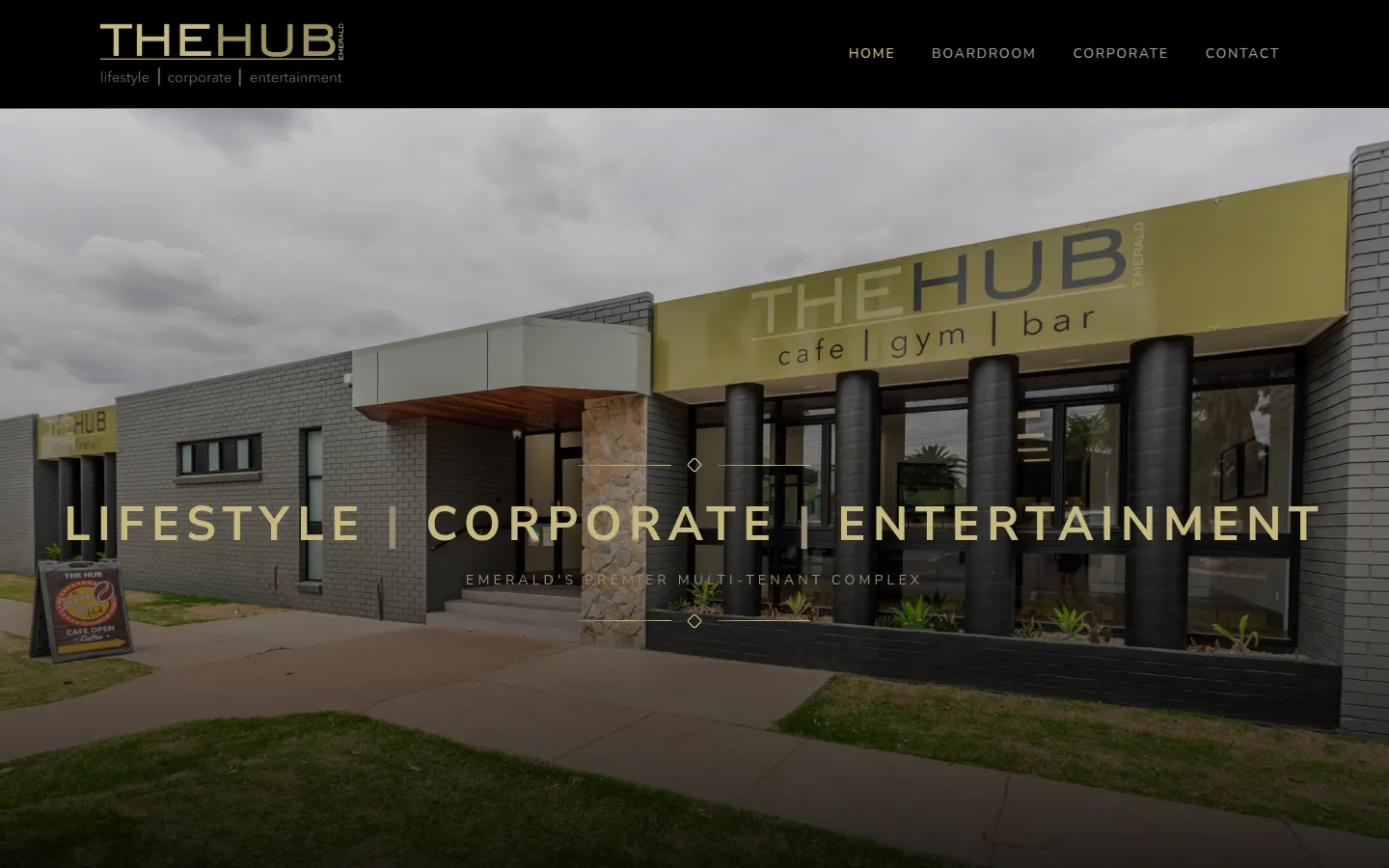
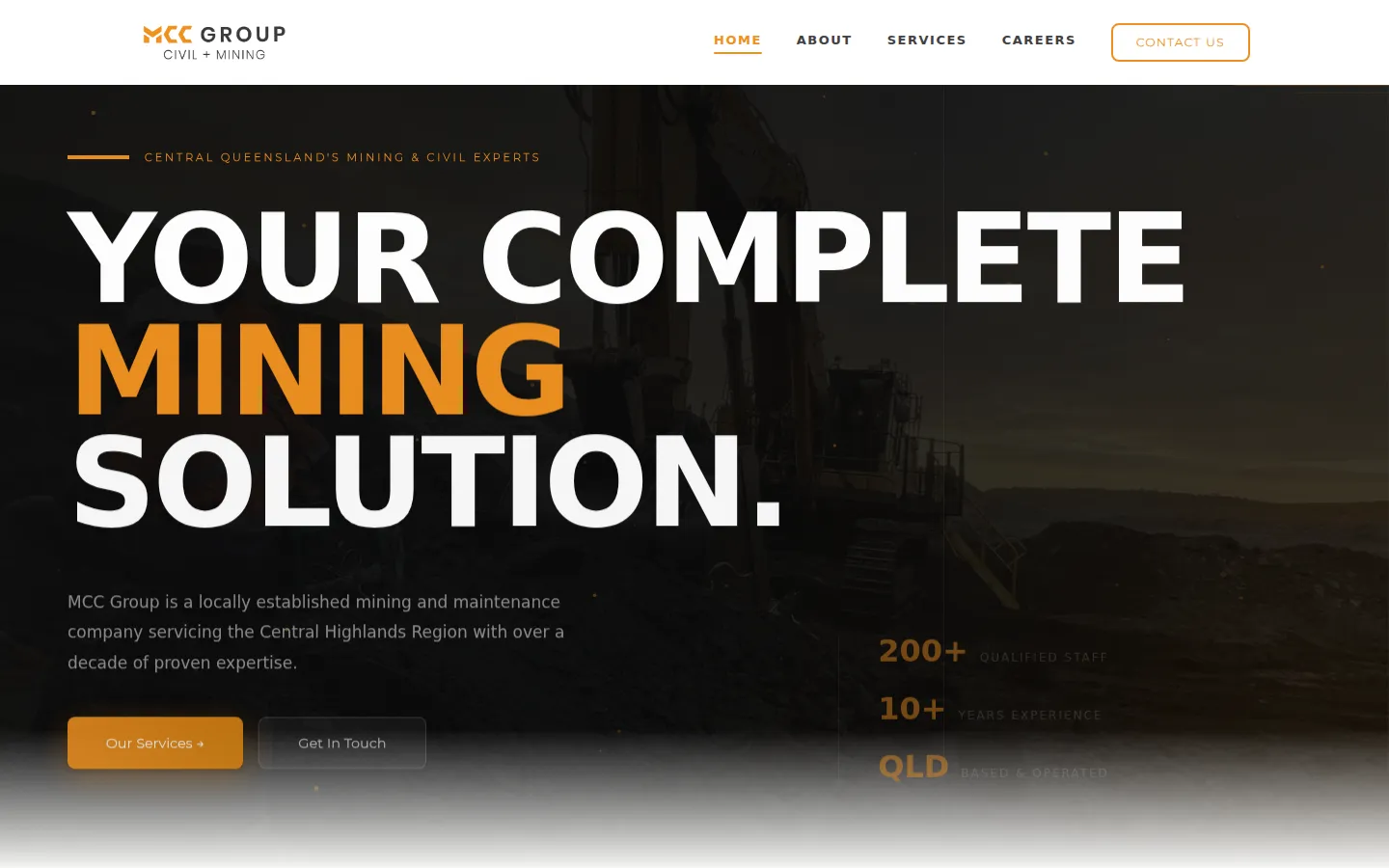
MCC Group, a $100M mining services company operating across Central Queensland, needed a careers process that could screen high volumes of applicants without turning candidates away with a clunky form. What looks like a simple application on the surface runs an AI-powered pre-screening flow underneath: the complexity is hidden, not exported onto the user. The Hub Emerald, a co-working and business hub in the same region, needed the opposite kind of problem solved: a room and desk booking flow kept to as few clicks as possible, because a co-working space lives or dies on how easy it is to book a desk before anyone has made a coffee. Removing steps, not adding features, is often what actually makes a web application get used daily instead of ignored after week one.
Most web applications we build replace something that already half-works (a spreadsheet, a shared inbox, three disconnected tools) with one system that fits how the business actually operates, instead of forcing the business to adapt to generic software.
01 /Who It's For
This is for businesses whose website needs to do more than inform: take bookings, manage applications, run a customer portal, or coordinate a workflow between staff and customers. If you're currently stitching together forms, spreadsheets and manual follow-up to make something like this work, that's the gap a web application closes.
It suits operators who've identified a specific process that's slow or error-prone and want it built into software properly, not bolted on as a plugin to a website that wasn't designed for it, and who need staff and customers to be looking at the same live data rather than out-of-date exports.
02 /What You Get
- A custom-built application in Next.js and React, architected around your actual workflow, not a generic template
- Dashboards and admin views for staff to manage bookings, applications or data without needing a developer
- Real-time data where it matters (availability, status, notifications) instead of manual refresh-and-check
- Integrations with the tools you already run: calendars, payment providers, CRMs, internal systems
- User accounts and permissions, if different people need different levels of access
- A tested, documented handover so your team can actually operate the system after launch
- Ongoing capacity to extend the application as the business's needs change
03 /How We Work
Discovery maps the actual workflow: who does what, where it currently breaks down, and what a working version needs to handle. Design turns that into the screens and flows for each user type before any application code is written. Build delivers the application in stages, with working versions to test against real scenarios rather than a single reveal at the end. Launch includes data migration if needed, staff training on the admin side, and a monitored go-live. Support covers fixes, monitoring and the inevitable edge case a spreadsheet never had to handle.
04 /Common Questions
What's the difference between a website and a web application?+
A website mainly informs; a web application lets users take action inside it: booking, applying, managing an account, tracking status. If your site needs logins, a dashboard or a workflow beyond a contact form, you're looking at a web application.
Can a web application replace our current spreadsheet or manual process?+
That's usually the exact brief. We map the current process in discovery, then build software around how the business actually works rather than forcing you into an off-the-shelf tool that only fits part of the job.
Will it work on mobile, or do we need a separate app?+
Web applications we build are responsive by default and work in any browser on any device. A dedicated mobile app is only worth building if you need offline access, push notifications, or app-store presence. Otherwise, a well-built web app covers it.
How do you handle sensitive data like applications or customer records?+
Access is scoped by user role and data is stored appropriately for its sensitivity. Security requirements are scoped properly during discovery rather than assumed, and discussed explicitly before build starts, not retrofitted after.
What happens after launch if we need to change the workflow?+
Software should flex as the business does. We build with that expectation and offer ongoing support to extend or adjust the application as your process changes. You're not locked into whatever we shipped on day one.
What does a web application cost, and how long does it take?+
Both depend on scope: a single-location booking system is a different job to a multi-tenant portal with payments and permissions. You'll get a fixed price and a realistic timeline once discovery has mapped the actual workflow, not a headline number quoted before we understand what you need.
05 /Proof, Not Promises
Ready when you are
Tell us about the project and we'll come back with a straight answer on approach, timeline and cost.
Let's Talk